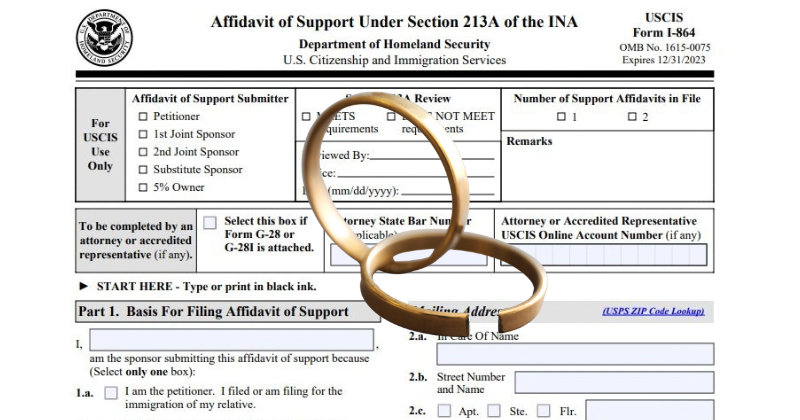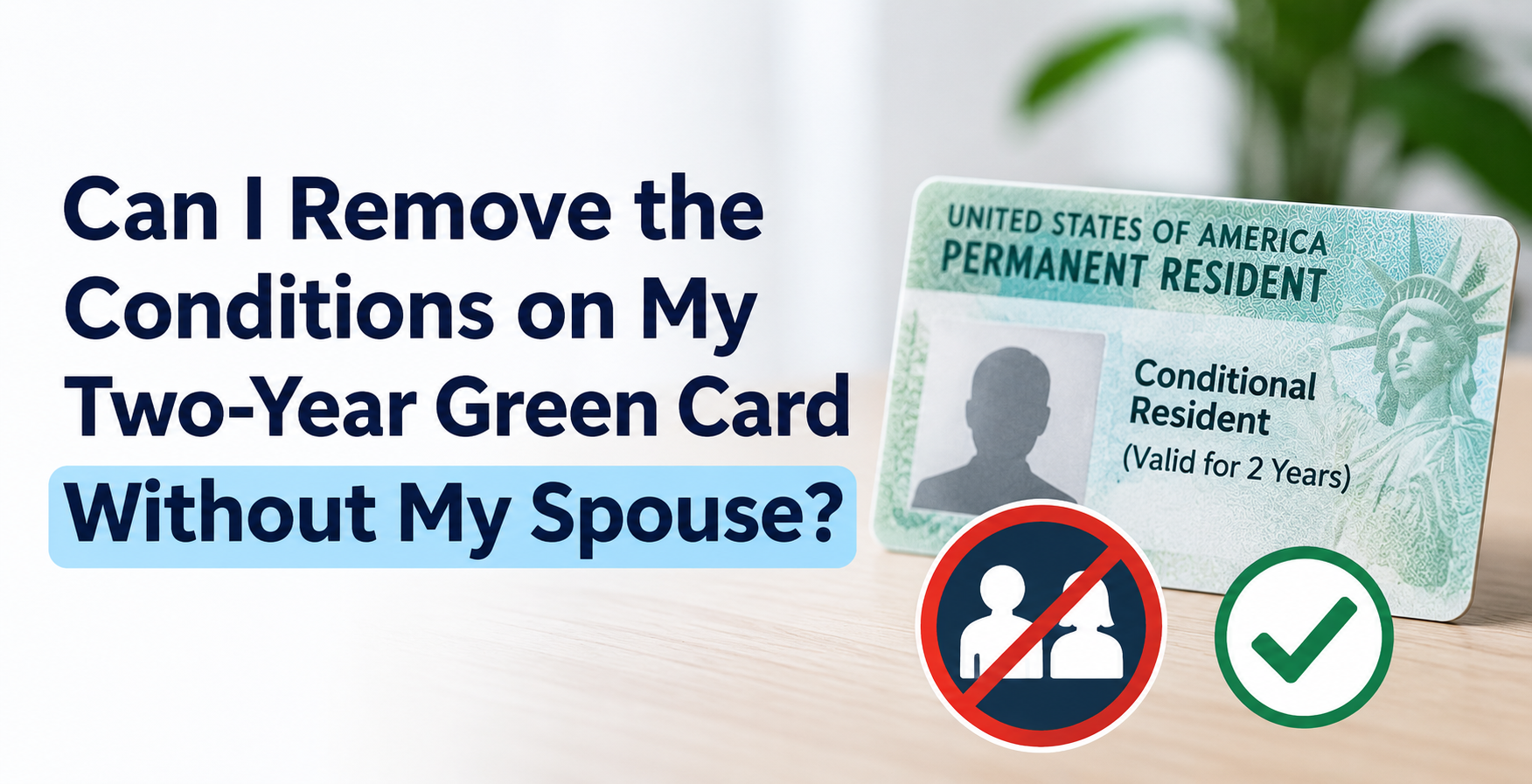
Yes, you can remove the conditions from a two-year conditional green card. This conditional green card is typically put in place when a person receives a marriage-based green card but has been married for less than two years. You can request a removal of those conditions without your spouse. To do so, you must file Form I-751 with a request for a waiver of the joint filing requirement.
Below is one of our most frequently asked questions about green cards, immigration and divorce, with guidance provided. Each case is different. When you hire Odunlami Law our experienced attorneys will hand
Odunlami Law works with those who are applying for a green card or facing serious life changes, including divorce, and want to protect their green card status. Request a consultation with us to review your legal options. Call (973) 993-1900 for a consultation. In the meantime, here are some basic insights about your rights.
What Are Conditions on a Green Card?
Conditional green cards are a temporary form of permanent residency. They are only valid for two years. Most of the time, they are given to those who are marriage-based applicants or those seeking an EB-5 investor green card.
Your marriage-based application requires you to be married to a U.S. citizen or green card holder to apply for and obtain a green card. That means you have conditional resident status on the day you are admitted or approved for the immigrant visa. The term conditional applies because you must prove that you got married for the right reasons and not to evade the U.S. immigration laws.
When Can You Remove Conditions?
There are various instances in which you can petition the government to remove conditions. This is done through the U.S. Citizenship and Immigration Services process. You will need to file Form I-751, Petition to Remove the Conditions of Residence. You may be able to remove conditions on your residence if you meet eligible criteria such as:
- You are still married to the same U.S. citizen or permanent resident after 2 years. You can include children in your application if they received conditional resident status at the same time.
- A widow or widower who entered the marriage in good faith.
- You entered into a marriage in good faith, but the marriage ended through divorce or with annulment.
- You entered the marriage in good faith, but you or your child were battered or otherwise abused or treated cruelly by your U.S. citizen or permanent-resident spouse. In this case, seeking a waiver similar to a VAWA petition.
- Terminating your conditional permanent resident status and removing you from the United States would cause extreme hardship. USCIS generally considers hardship factors arising during the two-year conditional residence period.
Removing the conditions of your green card can be a very important process. It may allow you to remain in the country even if you no longer meet the requirements of a marriage-based green card.
How to Apply to Remove Conditions from Your Conditional Green Card
Under normal circumstances, you and your spouse must apply to remove the conditions on your residence. However, you can file on your own with a waiver. To do this, you will file Form I-751 with USCIS. You can also submit a waiver from the joint filing requirement. This process is not uncommon, but it can be confusing.
Most often, a joint filer must wait until 90 days before their green card expiration to take action. That does not apply in situations where you are requesting a waiver such as filing for the removal of conditions due to a divorce or claims of abuse.
What Happens When You File to Have the Conditions Removed?
You need to provide ample information showing the marriage is genuine (except in the case of the hardship waiver). Joint bank accounts, shared leases, and photos are a good starting point. Your attorney will provide additional insights.
“ Divorce and immigration law can overlap in complicated ways. The safest strategy depends on your current status, the type of application you filed, the timing of your divorce, and the evidence available in your case.”
– Ifeoma Odunlami, Founder and Principal Attorney, Odunlami Law
Speak to an Immigration and Divorce Attorney for Your Case
Removing the conditions on your green card may seem highly limiting right now, especially if you are facing divorce or separation. You do not have to face these big decisions without help. Odunlami Law works with immigration clients across all 50 states and abroad. We provide you with the legal insights and support you need. We are here to help you get the results you are looking for when retaining your green card.
Odunlami Law handles nationwide immigration cases and New Jersey divorce and family law cases.
Call Odunlami Law at (973) 993-1900.
If you are considering divorce or want to request the removal of conditions without filing a joint petition, speak with our legal team first. We encourage you to contact us now for a case review and consultation. Our extensive experience in immigration and family law in New Jersey enables our legal team to provide the detailed support you need.
FAQs: Removing Conditions From My Green Card During Divorce
What if my divorce proceedings are not yet finalized?
If you are still married but legally separated or have petitioned for divorce or annulment, you can still file a waiver request. You can also file a Form I-751 petition jointly.
What if the USCIS denies my request to remove conditions from my conditional green card?
This can happen for various reasons. If USCIS denies your application, you will receive a letter explaining why. It will also include any additional steps you can take to review and appeal the decision. You should reach out to an immigration attorney to discuss your options right away.
How much does it cost to remove a condition from a green card?
The current USCIS filing fee for Form I-751, Petition to Remove Conditions on Residence, is $750. This fee generally applies whether you are filing jointly with your spouse or requesting a waiver because your marriage ended in divorce or annulment.
However, if you are filing an I-751 waiver because you or your child experienced battery or extreme cruelty, USCIS does not charge a filing fee. Certain applicants experiencing financial hardship may also qualify for a fee waiver.
If you hire an immigration attorney to prepare and file your petition, attorney fees will be separate from the USCIS filing fee. The cost of legal representation will depend on the complexity of your case, particularly if it involves divorce, abuse, insufficient evidence of a genuine marriage, or other immigration concerns.
Before filing, always verify the latest government fees on the USCIS website.