CALL US! 973 993 1900

New Jersey VAWA Lawyer

Navigate the challenges of domestic violence with dedicated legal support.
We guide you toward safety and legal status with understanding and professionalism.

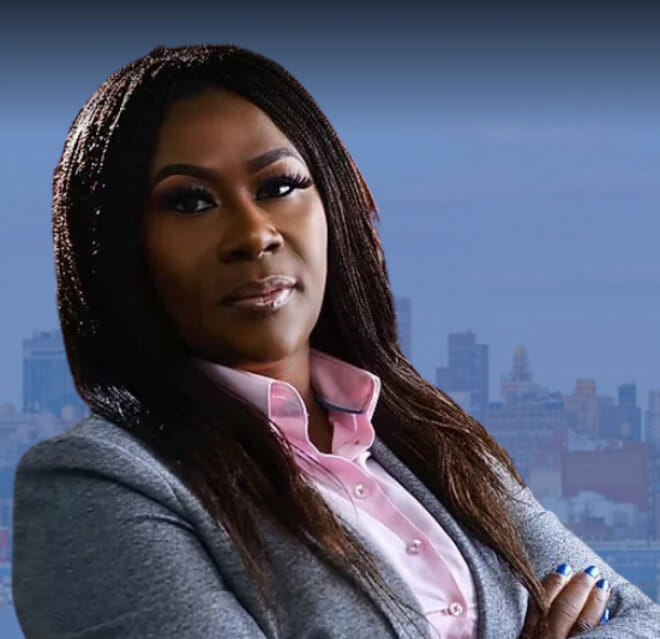
Meet Ifeoma Odunlami, founder of Odunlami Law. Her personal journey as an immigrant and her deep commitment to advocating for immigrant victims of domestic violence are at the heart of our practice. Our approach combines personal understanding with a thorough knowledge of immigration law, enabling us to effectively navigate your case with care and attention.

The Violence Against Women Act (VAWA), enacted in 1994, was designed to address a specific and recurring problem: Immigrants experiencing abuse within family relationships often faced additional pressure because their legal status depended on the person causing harm. For example, a spouse or parent may refuse to file paperwork, threaten to withdraw support, or use a person’s lack of status to maintain control.

VAWA was created to remove that imbalance. It recognizes that immigration dependency can be used as a tool of coercion and provides a legal framework that allows survivors to be evaluated on their own circumstances, rather than their abuser’s cooperation. At Odunlami Law, we are deeply committed to helping you through this process, ensuring that you feel supported, heard, and empowered.

How Does the VAWA Self-Petition Process Work?

One of the most powerful things about VAWA self-petitioning is that it puts the steering wheel in your hands. You are the petitioner, meaning you move forward without the involvement, permission, or knowledge of the person who harmed you.

The process is structured, but it does not need to be handled alone. At a high level, it typically includes:

Step 1: File Form I-360

Your declaration and evidence are submitted to show the relationship, abuse, and your eligibility.

Step 2: Build the Record

U.S. Citizenship and Immigration Services (USCIS) reviews what you provide. A clear timeline and well-organized evidence strengthen your case.

Step 3: USCIS Review and Decision

Processing times vary. USCIS determines whether your petition meets the legal standard for approval.

After approval, you may be eligible for additional immigration benefits.

Processing times differ from case to case. What consistently makes a difference is how clearly the case is presented and how strong the record is from the start.

Personalized VAWA Self-Petition Assistance

Support tailored to your unique circumstances.

Green Card Acquisition

Guidance through the process of obtaining permanent residency.

Clarifying VAWA Misconceptions

Providing clear, accurate information to empower your decision-making.

See What Our Clients Are Saying

You may be eligible to apply under VAWA if:

  • You are married to a U.S. citizen or lawful permanent resident (or were previously married), and you experienced abuse during the relationship
  • You are the child of a U.S. citizen or lawful permanent resident, and you experienced abuse by that parent
  • You are the parent of a child who was abused by their U.S. citizen or lawful permanent resident parent
  • You are the parent of an adult U.S. citizen son or daughter, and you experienced abuse by them

In each case, the key requirement is the same: the relationship exists, and the abuse occurred within that relationship.

To be eligible for VAWA, you must also show that:

  • The relationship was genuine (if based on marriage)
  • You lived with the person at some point
  • You meet general “good moral character” requirements

If you are unsure whether you meet these requirements, Odunlami Law is here to help. We can review your situation carefully and help you understand where you stand before anything is filed.

What Types of Abuse Qualify for VAWA?

Many survivors believe that only physical harm counts as abuse, but VAWA recognizes a wide spectrum of abusive behaviors. You are eligible to self-petition under VAWA if you have experienced:

  • Emotional & Psychological Abuse: This includes constant belittling, “gaslighting,” isolation from loved ones, and threats of deportation to keep you silent.
  • Economic & Financial Control: Controlling your access to money, forbidding you from working, stealing your wages, or refusing to provide for basic needs like food and medicine.
  • Threats & Intimidation: Threatening to hurt your children, harm your pets, or retaliate against your family in your home country.
  • Sexual Abuse: Any form of coerced or forced sexual contact, regardless of your relationship or marital status.

You also do not need a single dramatic incident; USCIS looks at the overall pattern and impact of the conduct. We can help you translate your experience into the evidence and legal language that protects you.

How Do I Prove Abuse in a VAWA Petition?

A common fear among survivors is that they lack enough proof, especially if the abuse happened behind closed doors, or no police report was ever filed. The standard for VAWA is “any credible evidence.”

We help you build a strong case by identifying and organizing the documentation you do have, which may include:

  • Photographs showing injuries or property damage
  • Medical records reflecting treatment or observations
  • Text messages, emails, or voicemails containing threats, intimidation, or controlling behavior
  • Police reports or court orders, including restraining orders
  • Statements from individuals who witnessed incidents or their impact
  • Letters from licensed mental health professionals documenting symptoms or disclosures consistent with abuse
  • Bank statements showing financial control, unexplained withdrawals, or restricted access to funds

The most critical part of evidence gathering for VAWA is often your detailed personal declaration. When combined with the supporting context we help you gather, your story creates a credible record of the “extreme cruelty” you endured.

An experienced New Jersey VAWA lawyer knows how to present this evidence to meet USCIS standards while keeping your safety and privacy as the absolute priority.

Despite its name, VAWA is not limited to women. It protects:

  • Men
  • Non‑binary individuals
  • LGBTQ+ survivors
  • Anyone harmed by a qualifying relative

VAWA may also protect your children. In many cases, they can be included as derivatives, allowing them to pursue lawful status alongside you.

If your case is already in immigration court, VAWA may still be an option, including forms of relief such as Cancellation of Removal. At Odunlami Law, we are committed to fighting for justice for all survivors, and we will stand by your side through every step of the process.

What Happens After a VAWA Petition is Approved?

A VAWA approval restores control over your immigration future. After approval, you may be able to:

  • Apply for a Green Card: You can file for adjustment of status to become a lawful permanent resident. This means you can secure a green card through VAWA, allowing you to live and work in the U.S. without the constant fear of deportation.
  • Work Authorization: You may be eligible to apply for work authorization while your green card application is pending.
  • Access Housing Protections: Your approval triggers powerful VAWA housing protections, allowing you to remain in federally assisted housing or obtain housing without adverse consequences tied to the abuse.   
  • Pathway to Citizenship: As you establish your life in the U.S., you may eventually become eligible to apply for U.S. citizenship, granting you full rights and responsibilities as an American citizen.

I751 Abuse Based Waivers for Conditional Residents

Some survivors do not need to file a VAWA self petition. If you received a two‑year conditional green card through marriage to a U.S. citizen or permanent resident, you may instead qualify for an I‑751 abuse‑based waiver.

Why This Pathway Exists

Conditional residents are normally required to file a joint I‑751 with their spouse. In abusive relationships, this is often impossible or unsafe. The abuse‑based waiver allows you to remove conditions without the abuser’s involvement.

When to Pursue an I‑751 Waiver Instead of an I‑360

An I‑751 abuse waiver may be the better option if:

  • You already have a conditional green card
  • The marriage was entered in good faith
  • You experienced battery or extreme cruelty
  • You can show the relationship deteriorated due to abuse

In some cases, survivors file both an I‑751 waiver and an I‑360 to preserve all available options. We help you determine the safest and strongest strategy.

Common Challenges in VAWA Petitions and How We Overcome Them

The path to legal independence is rarely a straight line. Between complex government forms and the high standard of evidence required, many survivors feel overwhelmed before they even begin. We are here to help navigate hurdles for you, including:

  • Limited or Incomplete Documentation: The more comprehensive and well-documented your case is, the easier it becomes for immigration authorities to see the validity of your claims. We will help you identify and gather alternative forms of evidence to support your VAWA application.
  • Navigating Legal Complexities: Knowing where to start and which forms apply can be unclear. Our attorneys take over the process and guide the case through each stage.
  • Concerns About Safety and Confidentiality: We walk you through VAWA’s confidentiality protections and take additional steps to safeguard your information throughout the process.

Our priority is to make this journey as seamless and stress-free as possible for you.

Get Understanding and Support from Experienced VAWA Lawyers

VAWA has transformed countless lives, providing hope to those who once felt trapped in abusive situations. The VAWA immigration process allows eligible survivors to obtain legal status while addressing their situation safely.

If you are considering applying for VAWA or have questions, a New Jersey immigration lawyer at Odunlami Law is ready to assist. Your journey to safety and security matters to us, and we are committed to helping you find the best path forward.

Your journey towards safety and legal stability starts here.

Take the first step toward a brighter future.

Testimonials

Video Testimonials

Our Locations

Odunlami Law Firm, LLC. | New Jersey Office

Odunlami Law Firm, LLC. | Houston Office

Follow Us

Do You Need Legal Representation?

If you need legal assistance for an immigration or family law matter, it’s important to do it right the first time by using an experienced attorney. Our experienced attorneys represent immigration clients who live in all fifty states and abroad, as well as family law clients in New Jersey. We speak English, Spanish, Haitian Creole, and French.

Contact us at (973) 993 1900. Visit our office in NJ or NY, or connect with us for a consultation. Discover more on our [About Us] page to learn about the Odunlami Law Firm’s commitment to supporting our clients.

Scroll to Top
Skip to content