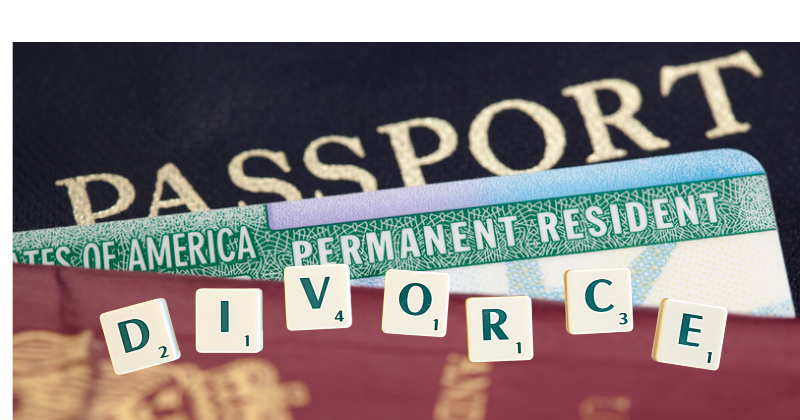
You may be able to keep or obtain a green card after a divorce, depending on where you are in the process of becoming a U.S. citizen. If your application is pending and it is a marriage-based application, you may need to seek an alternative method of entry. Other options may be available for some. If marriage is the only option, your application could be canceled. The status of your green card after divorce from a U.S. citizen is one of our most frequently asked questions about green cards, immigration and divorce. When you hire Odunlami Law, our experienced attorneys review your case and provide guidance for your specific situation.
Contact our immigration and divorce attorney in New Jersey at Odunlami Law for a comprehensive consultation. We can help you determine your rights based on the specific details you provide in your case. Call (973) 993-1900 for a consultation. Here are some details that may help you better understand your legal options.
Getting Divorced During the Green Card Application Process
If you are applying for a green card based on your marriage to a U.S. citizen, getting divorced before your application is approved can seriously affect your immigration case.
Generally, once the marriage legally ends, you are no longer eligible to obtain a green card through that marriage. This is because your eligibility depends on having a qualifying marital relationship at the time USCIS makes its decision.
However, divorce does not always mean the end of your immigration journey. Depending on your circumstances, you may qualify for other immigration options, including protections under the Violence Against Women Act (VAWA) if you experienced abuse during the marriage.
Before filing for divorce or withdrawing your green card application, it is important to speak with an experienced immigration attorney to understand your rights and available options.
What You Can Do If You Have a Conditional Green Card
If you have a two-year conditional green card and your marriage ends in divorce, you do not automatically lose your green card or your right to remain in the United States. However, you must take the appropriate steps to remove the conditions on your permanent residency.
Under Section 216 of the Immigration and Nationality Act (INA), individuals who obtain conditional permanent residency through marriage must generally file Form I-751, Petition to Remove Conditions on Residence, to obtain a 10-year green card.
Normally, Form I-751 is filed jointly by both spouses. However, if your marriage has ended in divorce, you may qualify for a waiver of the joint filing requirement. This allows you to file Form I-751 without your former spouse’s participation or consent.
The key is proving that you entered the marriage in good faith, even though the relationship ultimately ended in divorce. USCIS understands that genuine marriages sometimes fail. A divorce, by itself, does not mean your marriage was fraudulent or that you are no longer eligible for permanent residency.
What Evidence Do You Need?
To establish that your marriage was genuine, you should provide evidence showing that you and your spouse intended to build a life together. Useful documents may include:
- Joint bank account statements showing shared financial responsibilities
- Lease agreements or mortgage documents listing both spouses
- Jointly filed federal and state tax returns
- Birth certificates of children born during the marriage
- Photographs documenting your relationship, wedding, family gatherings, and activities together
- Health, life, or automobile insurance policies identifying both spouses
- Joint utility bills and other evidence of a shared household
- Affidavits from family members and friends who have personal knowledge of your relationship
You should also consider submitting a detailed personal statement explaining the history of your relationship, how you built your life together, the circumstances that led to your separation, and why the marriage ultimately ended.
What If Your Divorce Is Not Yet Final?
If you are separated or your divorce proceedings are ongoing, your filing options may depend on the status of your divorce and when your conditional green card expires.
Generally, USCIS requires a final divorce decree before approving an I-751 petition based on a good-faith marriage that ended in divorce. If your divorce is still pending, USCIS may request additional documentation or give you an opportunity to submit the final decree.
What If You Experienced Abuse During Your Marriage?
If you experienced battery or extreme cruelty during your marriage, you may qualify for a different waiver of the joint filing requirement. Unlike the divorce-based waiver, an I-751 waiver based on battery or extreme cruelty does not require you to obtain a divorce.
This protection is particularly important for immigrants whose spouses use their immigration status as a means of control, intimidation, or abuse.
Speak With an Immigration Attorney Before Filing
An I-751 waiver requires careful preparation, particularly if you and your spouse lived separately, maintained separate finances, or have limited evidence of your marital relationship.
At Odunlami Law Firm, we help conditional green card holders understand their options, prepare strong I-751 petitions, and protect their immigration status following separation, divorce, or abuse.
If You Divorce After Filing a Green Card Application
If you did not file an application for a green card while married, you may not be able to file a marriage-based application for a green card after divorcing. The basis of your petition is no longer applicable.
If the divorce occurs before adjudication is complete, your basis for the petition is no longer available. You are no longer considered a spouse of a U.S. citizen. However, there are some exceptions to this rule that could play a role in your case. Our immigration and divorce attorney can help you navigate these specific exceptions based on your qualifications.
Violence Against Women Act
The Violence Against Women Act (VAWA) provides a foreign national spouse with support when they have been subjected to abuse or extreme cruelty. If you believe you qualify, you can file a self-petition. This can be done even after divorce. It allows the court to consider your ability to remain in the U.S. on your own merit, no longer based on being married.
Death of a Spouse
If your spouse passes away during your green card application, you may continue processing your petition. You will need to apply with a widow(er) petition.
Can You File a Form I-751 Before Your Divorce Is Final?
Yes. If you have a conditional green card and are going through a divorce, you may still be able to file Form I-751, Petition to Remove Conditions on Residence, before your divorce is finalized.
If your divorce proceedings have already started, you should not assume that you must wait until the divorce is final before taking steps to protect your immigration status.
Depending on your circumstances, you may be able to file Form I-751 while your divorce is pending. USCIS may issue a Request for Evidence (RFE) asking you to submit your final divorce decree and, where applicable, request that your petition be considered under the waiver of the joint filing requirement.
However, USCIS generally cannot approve an I-751 waiver based on divorce until your marriage has legally ended. You must also provide evidence that you entered the marriage in good faith.
When you properly file Form I-751, USCIS generally issues a receipt notice extending your conditional permanent resident status and work authorization for 48 months beyond your green card’s expiration date while your petition remains pending. This extension does not mean your application has been approved.
Timing is critical. If your conditional green card is approaching its expiration date and your divorce is not yet final, consult an experienced immigration attorney before filing. The appropriate strategy will depend on your circumstances, including whether your spouse is willing to file jointly or whether you qualify for another waiver, such as one based on battery or extreme cruelty.
Learn More: Divorce and Immigration FAQs: Top 10 Questions Immigrants and Their Spouses Ask Most
Seek the Help of a Trusted Divorce and Immigration Attorney
Odunlami Law believes you have the right to an attorney with extensive knowledge of both immigration and divorce laws before you move forward. Ifeoma Odunlami, our founder and principal attorney, brings personal experience overcoming challenges as an immigrant herself.
“At Odunlami Law, we are immigrants helping fellow immigrants. Our families like yours have gone through the immigration process, and we understand what you are going through. That is why we fight to make sure your dreams become a reality.”
– Immigration Attorney Ifeoma Odunlami, Founder and Lead Attorney, Odunlami Law
Request a consultation now to learn more about your rights. Contact us now for immediate help. We can offer the help you need to try to remain in the country. Odunlami Law Firm can help. Odunlami Law handles nationwide immigration cases and New Jersey divorce and family law cases. Call Odunlami Law at (973) 993-1900.
FAQs About Green Cards and Divorce
What happens if I do not tell the USCIS about my divorce?
Chances are good the government will find out at some point. That could mean you are engaging in immigration fraud. That will lead to a denial, removal proceedings, and even bans on future applications.
Can a permanent resident be deported after divorce?
If you have a 10-year permanent green card, the divorce itself is not automatic grounds for deportation. Your status typically remains safe.
I have a 2-year conditional green card, but want to divorce. Should I wait?
You should not simply live your life in your marriage, especially if it is unsafe, because of your green card status. Before you decide, contact our immigration and divorce attorney to learn more about your options.